
What is tinnitus?
Tinnitus, which is often referred to as a “ringing of the ears,” affects 45 million Americans, including a large number of war veterans. People with tinnitus experience sounds such as pops, white noise, whistles, bursts of air, or sometimes even music, without any external auditory stimulus; tinnitus is a sound that comes from within.
Though tinnitus has been linked with hearing loss, there is no singular cause. Temporary tinnitus may come and go in short periods of time (as short as a few seconds to five minutes), while chronic tinnitus lasts for a longer period of time (days, weeks, even years).
What Are the Types of Tinnitus?
There are three types of hearing loss: conductive, sensorineural, or mixed. Conductive hearing loss is related to the outer and middle ear, ear canals and bones. Sensorineural hearing loss is related to the inner ear and often occurs due to damage to inner ear hair cells. Damage to these cells prevents sound from being translated into electric signals which then fail to be delivered to the brain to be processed as sound. Mixed hearing loss is a combination of the previous two forms, affecting various areas of the ear simultaneously.
What Causes Tinnitus?
While there is no definitive cause for tinnitus, researchers have many different plausible hypotheses. According to Richard Salvi, director of the Center for Hearing and Deafness at the State University of New York at Buffalo, tinnitus “could be neural noise – the sound of nerves firing, or a leftover sound memory.”
Other causes include long exposure to loud noises (veterans returning from combat make up a high number of tinnitus cases in the US, prompting a large amount of research funding provided by the US Department of Defense), a byproduct of hearing loss, and physical conditions that include head or neck trauma, high blood pressure, or diabetes.
Whatever the case, tinnitus is a distracting, if not outright debilitating condition that leads to higher levels of stress, depression, anxiety during the day, and sleep deprivation in the night. During the day, tinnitus could cause memory problems, issues with concentration, and difficulties with communication. It could interfere with daily activities and performance in the workplace.
How is Tinnitus Related to Hearing Loss?
According to the Hearing Health Foundation, approximately 90% of tinnitus cases occur with an underlying hearing loss. In part, this may be due to the fact that tinnitus and hearing loss share similar causes (exposure to noise or presbycusis). Like hearing loss, damage to the inner ear hair cells may cause tinnitus. Researchers have suggested that when inner ear hair cells are damaged, they may “leak” phantom signals to the brain to be registered as sound.
People with tinnitus have also been encouraged to seek stress-relieving exercises, such as meditation, physical exercise, or listening to calming music. Avoiding stressful situations is also another plan of action, as high stress often leads to a worsening of tinnitus symptoms.
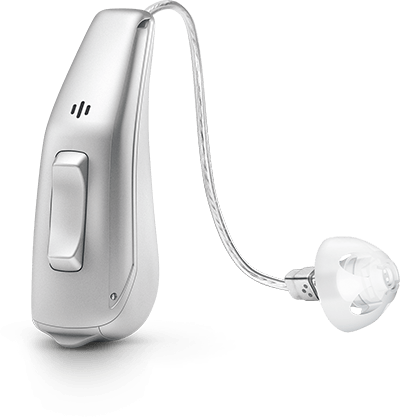
Because tinnitus is so closely linked with hearing loss, most major hearing aid brands offer tinnitus therapy on their hearing aids. Sound masking program features are designed to divert the brain’s attention away from the phantom sounds of tinnitus.